

 BLOG
BLOGFlexible drag chain cable
Flexible drag chain cables are a type of specialized cable designed to endure continuous movement and flexing within drag chains. These chains are mechanical conveyors commonly used in industrial settings to guide and protect cables and hoses. The flexibility of these cables is their most prominent feature, allowing them to bend and twist repeatedly without suffering damage, which is crucial in applications where machinery parts move in complex patterns.
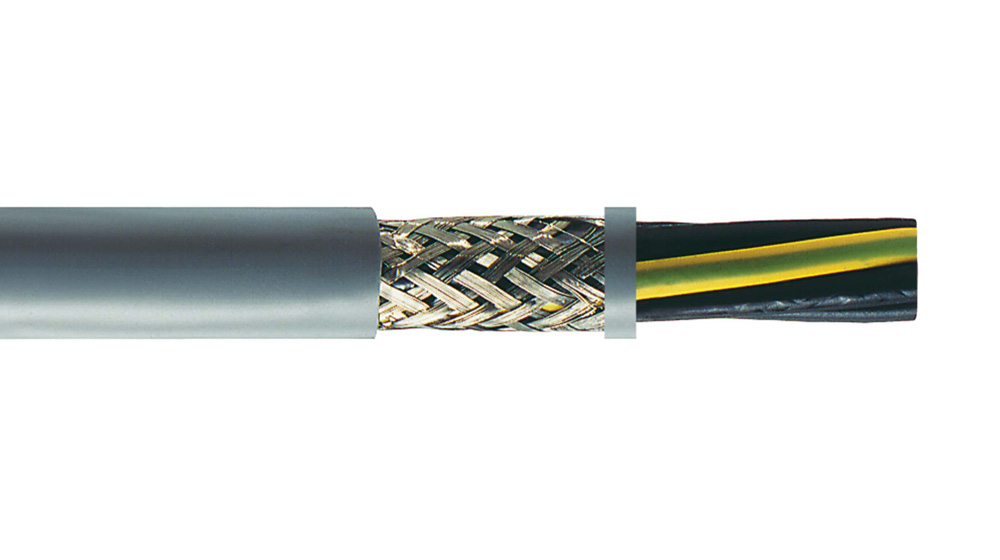
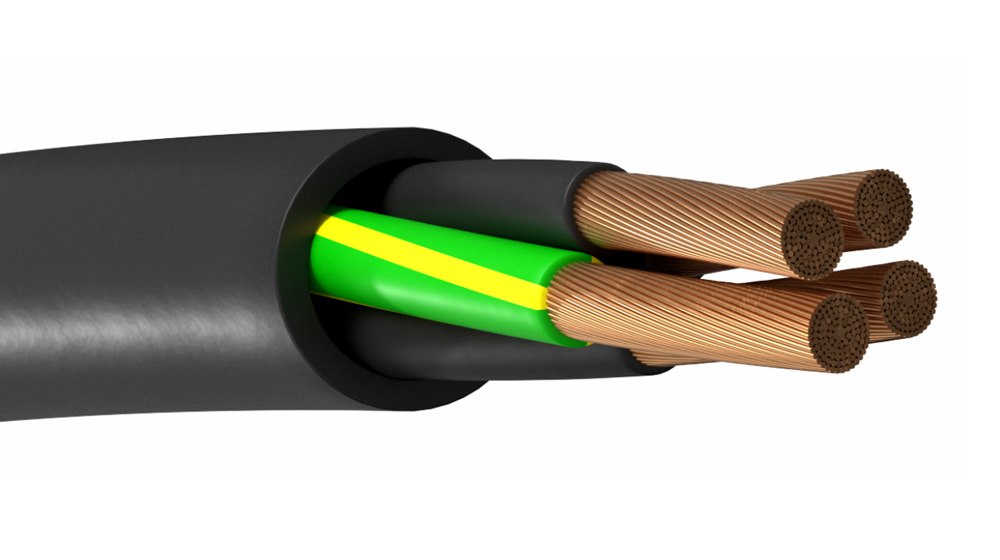
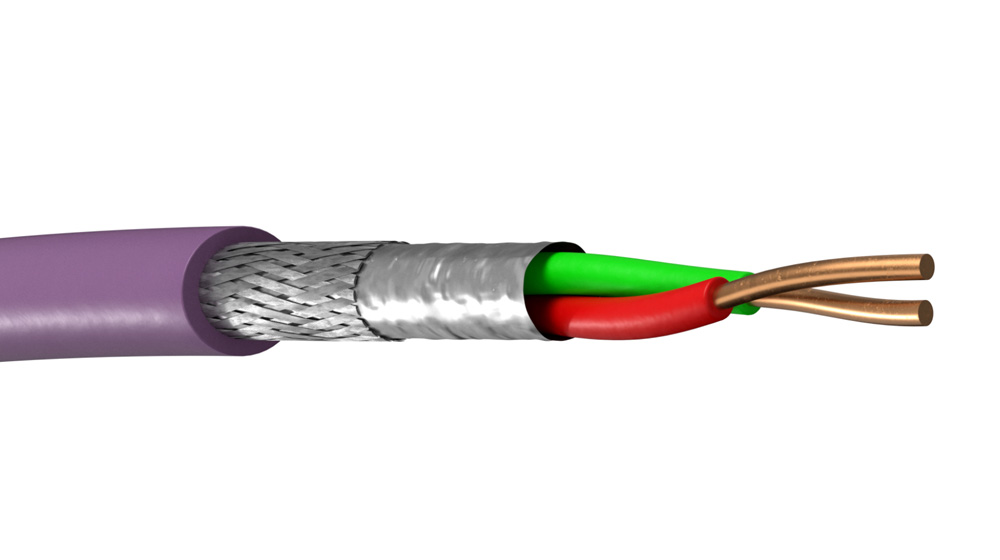
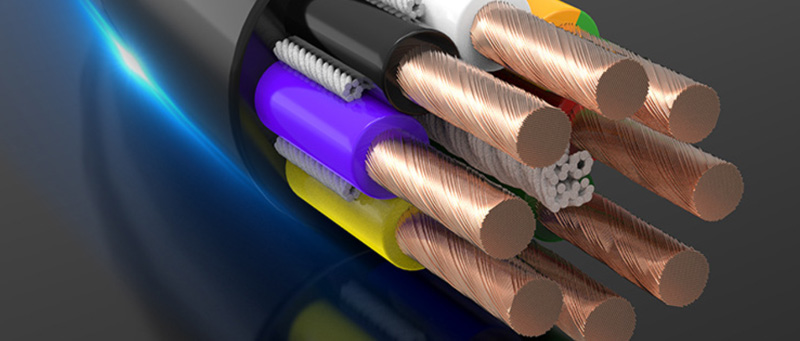
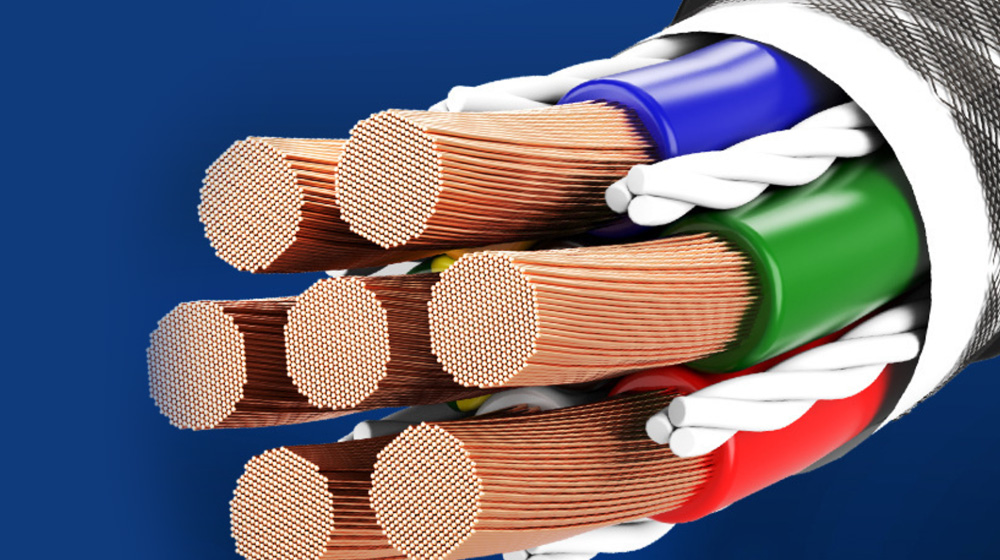
The construction of flexible drag chain cables is quite sophisticated. They are typically composed of multiple layers, each serving a specific purpose. The conductor is the core part of the cable, responsible for carrying electrical current. High - quality copper is often used as the conductor material due to its excellent electrical conductivity. Stranded copper conductors are preferred as they offer better flexibility compared to solid conductors. The stranding process involves twisting multiple thin copper wires together, which allows the cable to bend more easily without breaking the conductor.
Surrounding the conductor is the insulation layer. This layer is essential for preventing electrical leakage and short - circuits. Different types of insulation materials can be used depending on the application requirements. For example, PVC (Polyvinyl Chloride) is a common insulation material due to its low cost, good mechanical properties, and resistance to chemicals. However, in more demanding environments, materials like TPE (Thermoplastic Elastomer) or PUR (Polyurethane) may be used. TPE offers a good balance between flexibility and durability, while PUR provides excellent abrasion resistance and is suitable for harsh industrial conditions.
The outer jacket of the flexible drag chain cable also plays a vital role. It protects the inner components from external factors such as mechanical stress, moisture, and chemicals. Similar to the insulation layer, the choice of outer jacket material depends on the application. Polyurethane jackets are highly regarded for their toughness and resistance to abrasion, making them ideal for heavy - duty applications where the cable may come into contact with sharp objects or rough surfaces. On the other hand, PVC jackets are more cost - effective and are suitable for less demanding environments.
One of the key challenges in designing flexible drag chain cables is ensuring their long - term reliability. The constant movement and flexing can cause wear and tear on the cable over time. To address this issue, cable manufacturers use advanced manufacturing techniques and conduct extensive testing. For instance, during the manufacturing process, the cables are often subjected to strict quality control measures to ensure that the conductors are properly stranded and the insulation and jacket layers are evenly applied.
In addition, real - world testing is carried out to simulate the actual working conditions of the cables. This may involve bending the cables through a specific radius for a large number of cycles to determine their fatigue life. By understanding how the cables perform under different stress levels, manufacturers can optimize the cable design and materials to improve their durability.
Flexible drag chain cables find wide applications in various industries. In the automotive industry, they are used in robotic arms for welding, painting, and assembly operations. These robotic arms require cables that can withstand high - speed and precise movements. In the machine tool industry, flexible drag chain cables are used in CNC machines to connect different components such as motors, sensors, and control units. The ability of these cables to flex and move without failure ensures the smooth operation of the machines.
In the packaging industry, drag chain cables are used in conveyor systems and packaging machines. The continuous movement of the conveyor belts and the mechanical parts of the packaging machines demands cables that can adapt to the dynamic environment. Moreover, in the automation industry, where the use of automated guided vehicles (AGVs) and other automated equipment is increasing, flexible drag chain cables are essential for powering and controlling these devices.
In conclusion, flexible drag chain cables are an indispensable component in modern industrial applications. Their unique design and construction enable them to withstand continuous movement and flexing, ensuring the reliable operation of various machinery and equipment. As industries continue to evolve and demand more advanced and reliable cable solutions, the development of flexible drag chain cables will also progress, with improvements in materials, manufacturing techniques, and performance. This will further enhance their suitability for a wider range of applications and contribute to the overall efficiency and productivity of industrial processes.
-
PREV:
NO MORE -
NEXT:
Oil-resistant drag chain cable