

 BLOG
BLOGOil-resistant drag chain cable
Oil-resistant drag chain cables, as an indispensable key component in the industrial field, are widely used in various automation equipment and mechanical systems. It is like a smart link that continues to play an important role in complex industrial environments, ensuring stable transmission of power and signals.
Oil-resistant drag chain cables are mainly used in working scenes with frequent bending, movement and oil corrosion. In the automated production line of a modern factory, various mechanical equipment work together, and the cable needs to continuously move back and forth in the drag chain system, which places extremely high requirements on the bending resistance of the cable. With its special structural design, oil-resistant drag chain cables can easily cope with such frequent bending deformations, effectively reduce damage to internal conductors and insulation layers, and ensure the stability and safety of power transmission. For example, in automobile manufacturing workshops, a large number of automated equipment such as welding robots and spraying equipment rely on oil-resistant drag chain cables for power supply and signal transmission. During the working process of these equipment, the cables frequently bend and move along with the drag chain. If the cable performance is poor, it is easy to malfunction and affect the production progress. The excellent performance of oil-resistant drag chain cables enables the production process to proceed smoothly and improves production efficiency and quality.
Its oil resistance shows unique advantages in some special industrial environments. In the petrochemical industry, the production process is often accompanied by oil pollution and corrosion by chemical substances. The outer sheath of the oil-resistant drag chain cable is made of special oil-resistant material, which can effectively resist the penetration and corrosion of oil and ensure that the internal structure of the cable is not damaged. Even if it is exposed to harsh oily environments for a long time, the cable can still maintain good electrical and mechanical properties and transmit power and signals stably. For example, in oil refinery transportation pipeline cleaning equipment, oil tank monitoring systems and other equipment, oil-resistant drag chain cables can work reliably, ensuring the normal operation of the equipment and avoiding safety accidents and production losses caused by cable failures.
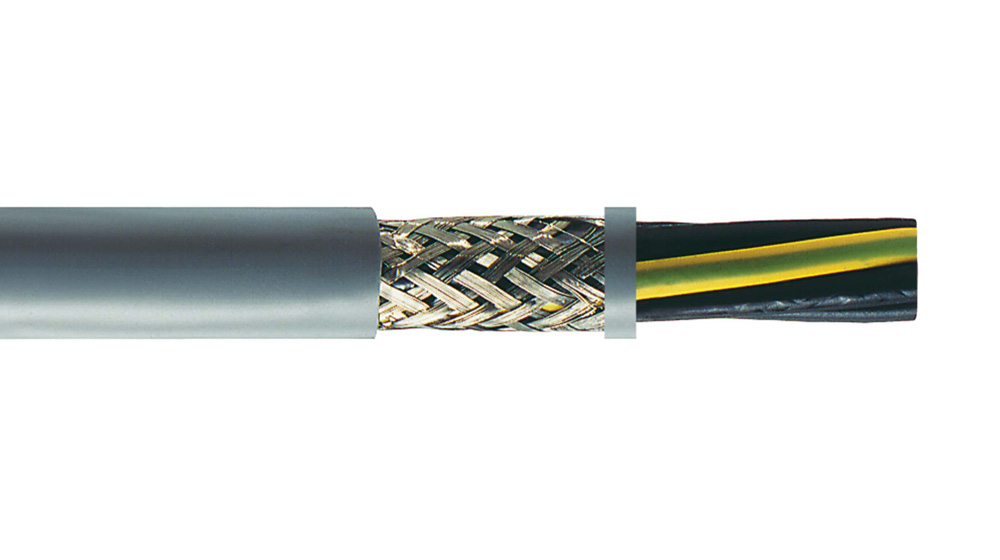
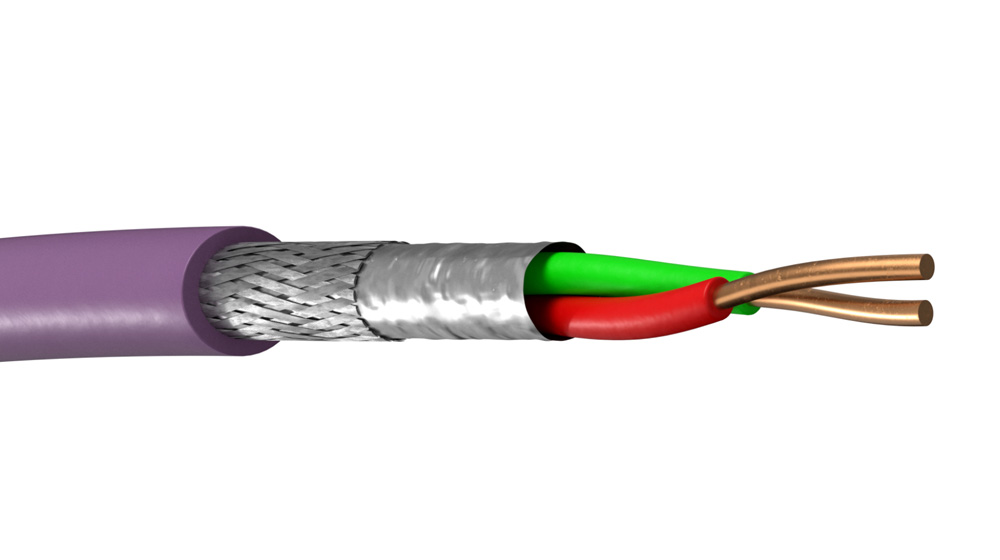
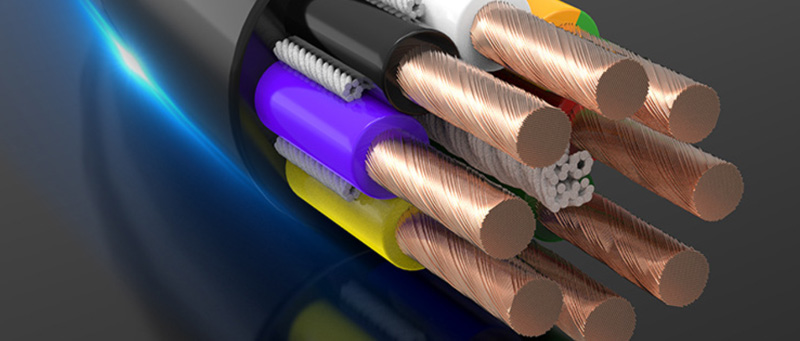
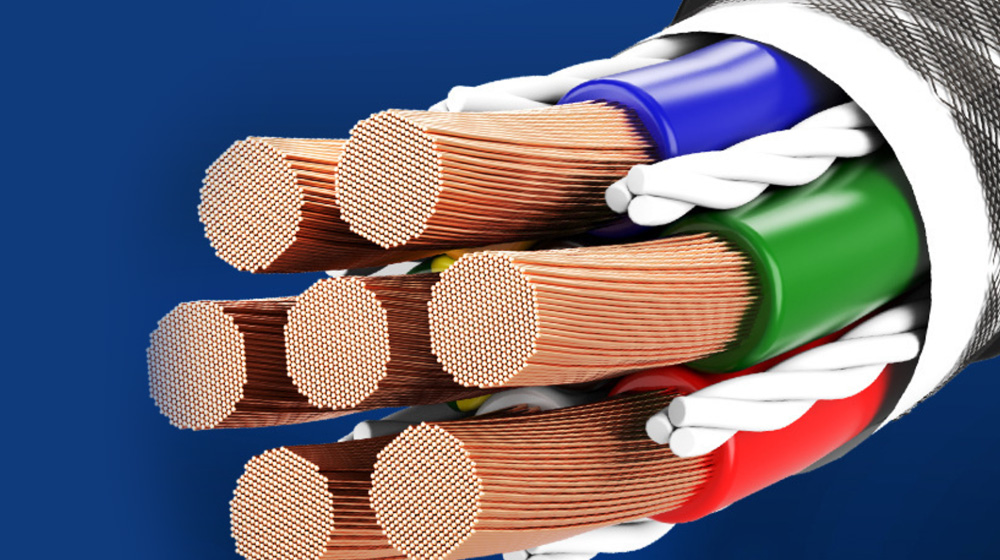
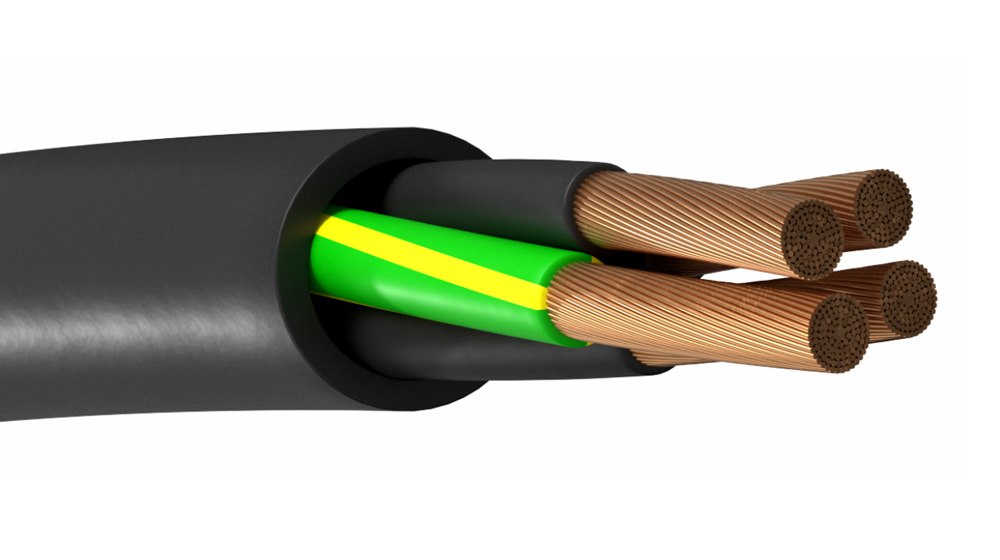
The structural design of oil-resistant drag chain cables is also a key factor in their excellent performance. It is usually composed of multiple strands of finely twisted conductors. These conductors have good flexibility and can expand and contract freely during the bending process of the drag chain, reducing stress concentration. The insulation layer uses high-performance insulation materials, which not only have good electrical insulation properties, but can also adapt to the mechanical stress caused by drag chain movement. The outer sheath of the cable has a certain degree of hardness and wear resistance, which can protect the internal structure from external friction and collision damage. Some oil-resistant drag chain cables also adopt a special shielding layer design to effectively reduce electromagnetic interference and ensure the accuracy of signal transmission.
There are several factors to consider when selecting oil-resistant drag chain cables. The first is the rated voltage of the cable, which should be selected according to the voltage requirements of the actual usage scenario to ensure that the cable can withstand the working voltage without problems such as insulation breakdown. The second is the bending radius of the cable. Cables of different specifications have different minimum bending radius requirements. It must be ensured that the bending radius of the drag chain system meets the regulations of the cable, otherwise the service life of the cable will be affected. Pay attention to the oil resistance performance index of the cable and select the cable with the corresponding oil resistance level according to the specific oil pollution environment. The mechanical properties of the cable, such as tensile strength, elongation at break, etc., cannot be ignored. These properties are directly related to the cable's ability to withstand tension and deformation in the drag chain system.
With the continuous development of industrial automation, the performance requirements for oil-resistant drag chain cables are also increasing. In the future, oil-resistant drag chain cables will develop in a more efficient, reliable, and intelligent direction. For example, by using new materials and advanced manufacturing processes, we can further improve the bending resistance, oil resistance, temperature resistance and other properties of the cable and extend its service life. Intelligent monitoring technology can be integrated into the cable to monitor the operating status of the cable in real time, such as temperature, strain and other parameters. When an abnormal situation occurs, a warning can be issued in time, allowing maintenance personnel to handle it in a timely manner and avoid faults.
As an important cable product in the industrial field, oil-resistant drag chain cables provide a strong guarantee for the stable operation of various industrial equipment with their excellent bending resistance, oil resistance and reasonable structural design. In the future industrial development, it will continue to play an important role, constantly adapt to new needs, and promote the industrial automation process to a higher level.